A total solar eclipse crossed the North Atlantic and Europe on August 12, while parts of North America saw a partial eclipse and millions followed live coverage online. This report explains what is confirmed, what readers are asking and why the story is moving through U.S. search results.
What happened on August 12
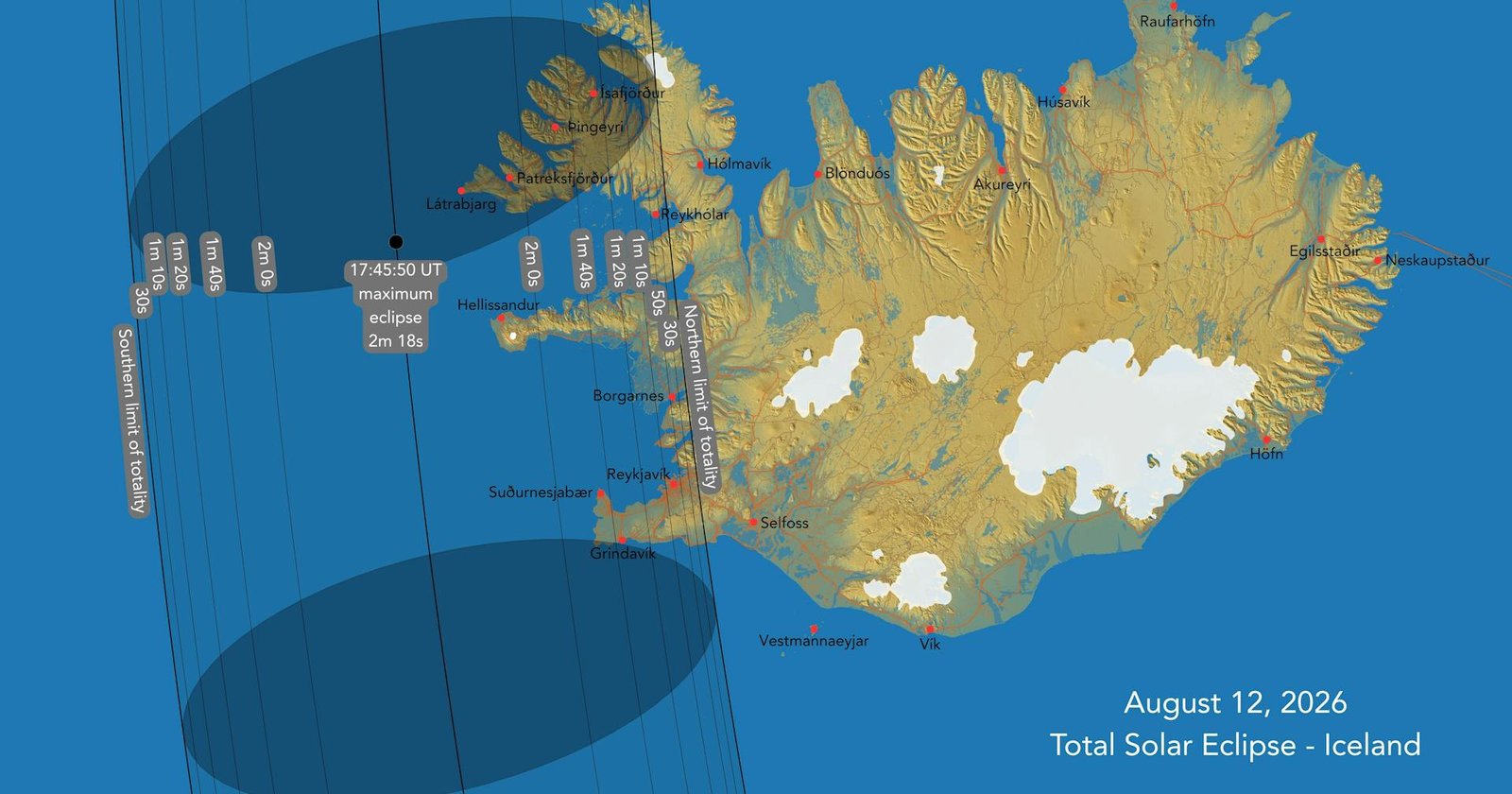
The Moon passed directly between Earth and the Sun, casting a narrow shadow across Greenland, Iceland, northern Russia, Spain and a small corner of Portugal. Inside that corridor, daylight briefly collapsed into twilight as the solar corona appeared around the Moon. The longest moments of totality lasted a little more than two minutes. Elsewhere across Europe, Africa and parts of North America, observers saw a partial eclipse instead.
For readers following solar eclipse 2026, the key is to separate the latest verified development from predictions and recycled social posts. The What happened on August 12 angle also explains why related searches branch into names, dates, results and practical follow-up questions. As more information becomes available, official records and direct reporting should take priority over screenshots without context.
Why searches surged in the United States
The path of totality did not cross the continental United States, but the event was still a major American search story. NASA streamed coverage, astronomy groups explained visibility by location, and travelers shared images from Iceland and Spain. Americans also searched for local viewing times, safe glasses and the next eclipse visible from home. That mix of live spectacle and practical questions pushed the topic above one million searches.
For readers following solar eclipse 2026, the key is to separate the latest verified development from predictions and recycled social posts. The Why searches surged in the United States angle also explains why related searches branch into names, dates, results and practical follow-up questions. As more information becomes available, official records and direct reporting should take priority over screenshots without context.
How scientists used the eclipse
Researchers used high-altitude aircraft, balloons and ground instruments to study the Sun’s corona and the way a sudden loss of sunlight affects Earth’s atmosphere. The corona is normally overwhelmed by the bright solar surface. Totality gives scientists a brief natural laboratory for observing its fine structures and testing instruments designed for future space missions.
For readers following solar eclipse 2026, the key is to separate the latest verified development from predictions and recycled social posts. The How scientists used the eclipse angle also explains why related searches branch into names, dates, results and practical follow-up questions. As more information becomes available, official records and direct reporting should take priority over screenshots without context.
The safety lesson still matters
Only the brief total phase can be viewed without certified protection. During every partial phase, observers need eclipse glasses that meet the ISO 12312-2 standard or an indirect viewing method. Regular sunglasses, cameras and unfiltered binoculars do not protect the eyes. Anyone who experienced pain or altered vision after viewing should contact an eye-care professional.
For readers following solar eclipse 2026, the key is to separate the latest verified development from predictions and recycled social posts. The The safety lesson still matters angle also explains why related searches branch into names, dates, results and practical follow-up questions. As more information becomes available, official records and direct reporting should take priority over screenshots without context.
What comes next
The 2026 event was a reminder that eclipse interest is both local and global. For Americans, future partial and total events will generate new travel planning and safety questions. Exact visibility depends on location, weather and the geometry of each eclipse, so official NASA maps remain the best starting point.
For readers following solar eclipse 2026, the key is to separate the latest verified development from predictions and recycled social posts. The What comes next angle also explains why related searches branch into names, dates, results and practical follow-up questions. As more information becomes available, official records and direct reporting should take priority over screenshots without context.
What readers should take away
The surge around solar eclipse 2026 shows how Americans use search during a fast-moving story: first to identify what happened, then to understand the people, numbers and consequences behind it. Related phrases such as eclipse august 2026, solar eclipse, eclipse path reveal the next layer of curiosity, but high search volume does not itself prove a claim or predict what happens next. This article is organized around attributable reporting, clear dates and explicit distinctions between confirmed information and interpretation. That discipline is especially important when old images, parody accounts and partial video clips can circulate faster than corrections. Bookmark the original sources, compare publication times, and look for direct statements or official records when the outcome affects safety, money, voting or reputation. Search interest will move on; the durable value is an accurate account that remains useful after the spike fades.
How this story was reported
Search Pulse USA selected this topic from the United States Google Trends view set to the past seven days, active trends only and search volume order. The trend label and rounded volume describe search attention, not the importance of an event or the popularity of a person. Reporting was then checked against the source links listed below, with preference given to official organizations and established newsrooms. Publication times matter during breaking news, so this account uses concrete dates and avoids presenting an early estimate as permanent. The article will remain understandable after the immediate spike because names, stakes and unresolved questions are explained in context.
Frequently searched questions
Eclipse August 2026
This phrase is rising alongside solar eclipse 2026 because searchers are narrowing a broad breaking story into a specific person, result or next step. The reporting above provides the confirmed context available at publication time. Because trend pages update quickly, readers should check the linked primary and established news sources for later changes before treating a social-media claim as settled fact.
Solar Eclipse
This phrase is rising alongside solar eclipse 2026 because searchers are narrowing a broad breaking story into a specific person, result or next step. The reporting above provides the confirmed context available at publication time. Because trend pages update quickly, readers should check the linked primary and established news sources for later changes before treating a social-media claim as settled fact.
Eclipse Path
This phrase is rising alongside solar eclipse 2026 because searchers are narrowing a broad breaking story into a specific person, result or next step. The reporting above provides the confirmed context available at publication time. Because trend pages update quickly, readers should check the linked primary and established news sources for later changes before treating a social-media claim as settled fact.